
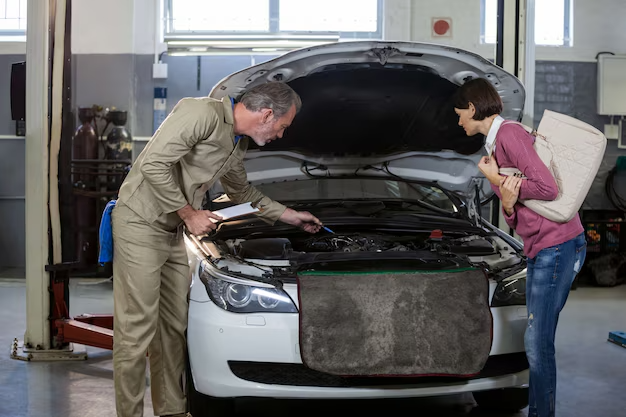
Cars are more than machines—they are lifelines. They take us to work, school, family trips, and errands. A malfunctioning vehicle can disrupt your day, cause financial stress, and even put safety at risk. Proper car repair and maintenance is essential to keep your vehicle reliable, efficient, and safe.
In this guide, we’ll cover common car problems, preventive maintenance, repair processes, costs, and tips for choosing the right repair service.
Why Car Repair Matters
Vehicles experience wear and tear every mile. Ignoring small problems often leads to bigger issues. According to automotive studies, routine maintenance can reduce the risk of major breakdowns by up to 25%.
Regular maintenance:
Improves fuel efficiency
Ensures safety on the road
Extends vehicle lifespan
Maintains resale value
Even minor repairs like replacing brake pads or changing oil prevent costly failures in the long term.
Common Car Problems
Understanding typical car problems helps owners act quickly.
1. Engine Problems
Engine issues are among the most serious. Signs include strange noises, loss of power, or warning lights. Ignoring engine trouble can lead to complete engine failure.
2. Battery Failure
Car batteries last about 3–5 years. Slow engine crank, dim lights, or dashboard warnings indicate a failing battery. Early replacement prevents getting stranded.
3. Brake Issues
Brakes are critical for safety. Squealing, vibration, or reduced braking power signals wear. Timely brake service prevents accidents and avoids more costly repairs like rotor replacement.
4. Tire Wear and Alignment
Uneven tire wear reduces grip and fuel efficiency. Tire rotation and alignment improve handling, prevent accidents, and extend tire life.
5. Electrical Problems
Malfunctioning lights, dashboard errors, or faulty sensors affect safety and vehicle performance. Professional diagnostics ensure accurate repairs.
Preventive Maintenance Tips
Preventive maintenance reduces major repairs and keeps your vehicle running smoothly:
Oil and Filter Change: Replace every 5,000–10,000 km depending on manufacturer recommendations.
Check Fluids: Brake, transmission, coolant, and power steering fluids must be monitored.
Inspect Belts and Hoses: Prevent engine overheating and accessory failures.
Battery Check: Test voltage and clean terminals to avoid sudden failure.
Air Filter Replacement: Clean filters improve fuel efficiency and engine performance.
Following preventive schedules saves time, money, and stress.
DIY vs Professional Car Repairs
Some minor tasks like changing wiper blades or topping fluids can be done at home. However, most repairs need professional expertise. Modern vehicles include electronics, turbochargers, and hybrid systems that require specialized tools. Professional repair services ensure accurate diagnostics, safe repairs, and warranty compliance.
How Professional Car Repair Works
A structured repair process ensures reliability:
Inspection and Diagnosis: Technicians identify the root cause instead of guessing.
Estimate: Clear explanation of necessary repairs, cost, and time.
Repair Execution: Skilled technicians use quality tools and parts.
Testing: Vehicle is tested for safety and functionality before delivery.
This approach avoids unnecessary parts replacement and hidden costs.
Understanding Car Repair Costs
Repair costs vary by brand, model, and issue severity. Luxury vehicles often cost more due to advanced components.
Fair pricing includes:
Clear explanation of problem
Part quality disclosure
Warranty on repairs
No hidden fees
Avoid shops that are vague about costs or refuse to provide written estimates.
Quality Parts vs Cheap Parts
High-quality parts last longer and protect other components. Cheap parts fail faster and can lead to repeated repairs. Trusted repair services use reliable, tested parts for long-term performance.
How Often Should You Service Your Car?
Service frequency depends on mileage, usage, and manufacturer guidelines:
Every 5,000–10,000 km: Oil and filter change
Every 10,000–20,000 km: Tire rotation, brake inspection
Every 30,000–50,000 km: Transmission and coolant flush, belt replacement
Annually: Full inspection including suspension, exhaust, and electronics
Following manufacturer recommendations ensures optimal performance.
Common Myths About Car Repairs
Myth 1 – You Only Need Brakes Fixed When They Squeal
Fact: Waiting can damage rotors and increase repair cost.
Myth 2 – DIY Repairs Always Save Money
Fact: Incorrect repairs can void warranties or damage components.
Myth 3 – Synthetic Oil Harms Engines
Fact: Modern engines are designed for synthetic oil, which improves performance and longevity.
Knowing facts helps owners make informed decisions.
Environmental Benefits of Car Maintenance
Regular maintenance reduces fuel consumption and emissions. Worn engines, low tire pressure, and dirty filters increase pollution. Proper care supports sustainability and saves money.
When to Repair vs Replace
Repair is usually cost-effective. Replacement may be better when:
Repair cost approaches vehicle value
Major frame or engine damage occurs
Repeated component failures
Professional advice ensures the right choice.
How to Choose the Right Car Repair Service
Choose a service provider that:
Communicates clearly
Provides estimates and warranties
Uses quality parts
Employs skilled technicians
Trust and professionalism keep your car reliable and safe.
Final Thoughts
Regular car repair and maintenance prevent breakdowns, improve efficiency, and extend vehicle life. Combining preventive care with professional repairs ensures your car remains safe and dependable.
Remember: a well-maintained car saves money, time, and stress, and keeps you safe on the road.